How Pygora Goats Change Color with Age
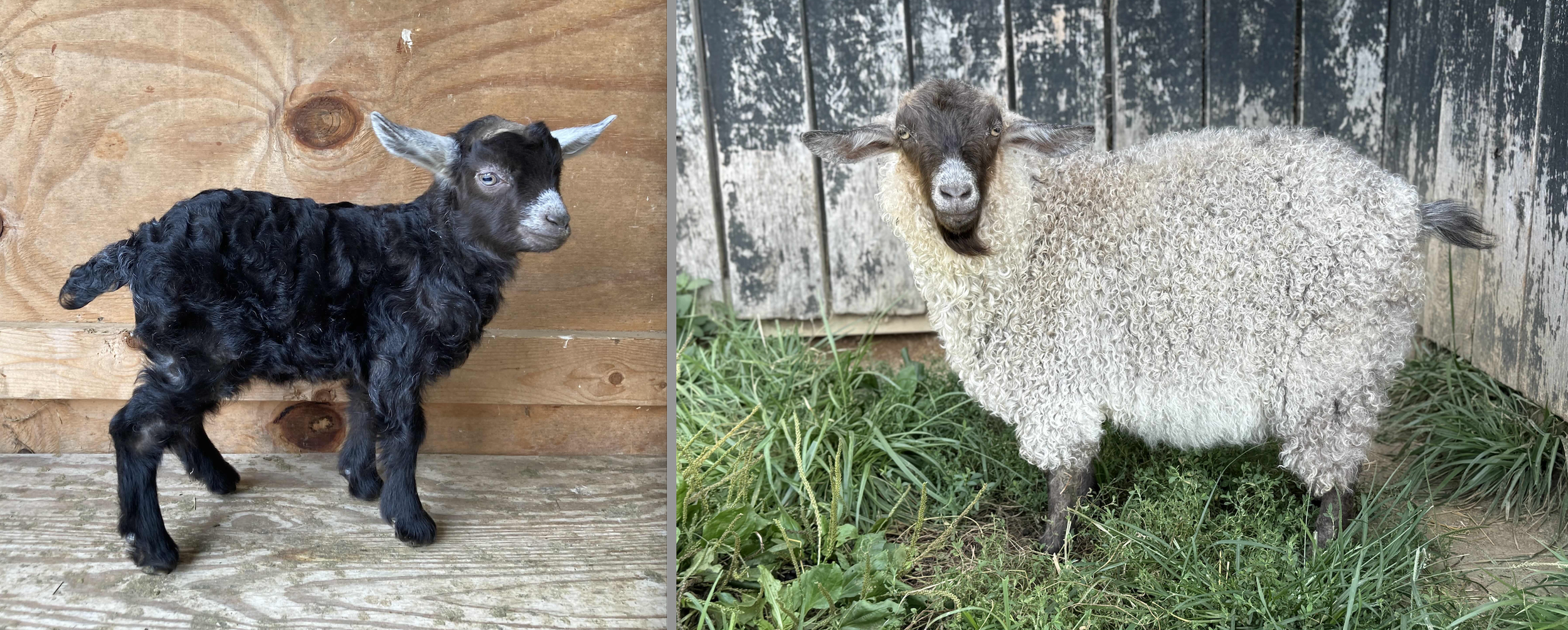
On the left is baby Mabel, on the right is her photo at approximately 18 months. Most dark brown kids produce a dark or light caramel fleece.
It’s almost time to start looking at those adorable baby photos and considering kid Pygora goats as possible additions to your farm. If you are a fiber artist or crafter, you are likely considering the potential fleece quality and handle as well as how well the fleece separates naturally from the goat’s guard hair. You may also be interested in particular colors – perhaps a rich brown or silver gray or creamy caramel.
Here’s the bad news – many Pygora breeders keep wait lists of buyers and kids are often sold long before their first fleece has appeared. But how can you select a kid when you know nothing about their fleece quality or color? On the quality side, your best bet is to consider the kids’ lineage, find an honest breeder, and trust their gut on what you might expect in terms of fleece type, handle, length and density.
In terms of color, though, here are a few tips that can guide your expectations:
Pygora kids born black almost never have black fleece. I am lucky enough to have a doe and buck both with dark charcoal fleece, but it’s extremely rare. The large majority of kids born black end up with a medium gray fleece. It’s also fairly common for the first kid fleece to be darker than future fleeces or to come in a chocolate brown with silver underneath and later turn solid gray or silver. For years my husband was chasing the idea of a goat with a brown fleece. I ended up with lots and lots of gray fleeces.
A dark brown kid will likely produce caramel fleece. Note that an inexperienced buyer can’t always tell the difference between a dark brown Pygora kid and a black Pygora kid. Our doe Mabel (with photos here) is a great example. As a baby, my husband and I argued over whether she was brown or black. By day three or so it was clear that her face was a dark brown. As you can see, as she matured her fleece came in a light caramel. Brown goats can have light or darker caramel fleece or even a brown, but they more rarely produce gray fleece.
Caramel kids will get lighter. Caramel kids come in a variety of shades from a deep reddish brown to a lovely light butterscotch. Typically, they get significantly lighter by the time they are yearlings with butterscotch kids often producing a cream-colored fleece that borders on white. Other than white, caramel is the only base coat that will not produce gray fleece.
Brown caramel kids make for gorgeous baby photos with their unique markings. Those lovely markings are largely hidden by a single-colored fleece when they are adults. That fleece can range from brown to gray to caramel to white depending on lineage. I had a gorgeous dark brown caramel born last year who grew a lovely brown kid fleece, which I thought for sure would simply become a lighter brown. Her yearly fleece is an unexpected rich dark gray.
White Pygora kids produce white fleece, as you might expect, although it is often a creamy soft white versus a brighter white. If you want a super bright white fleece, consider a light gray agouti goat. But, be careful there. Unlike every other color, the gray agouti Pygora often gets darker rather than lighter with age and fleece can go from white to silver gray.
The moral of the story, I suppose, is that Pygora owners need to embrace the mystery. Fleeces often change color with age, growing lighter or darker or shifting from brown to gray. If you want certainty in color, look for farms selling adult Pygoras. By two years old, most Pygoras have settled their color.
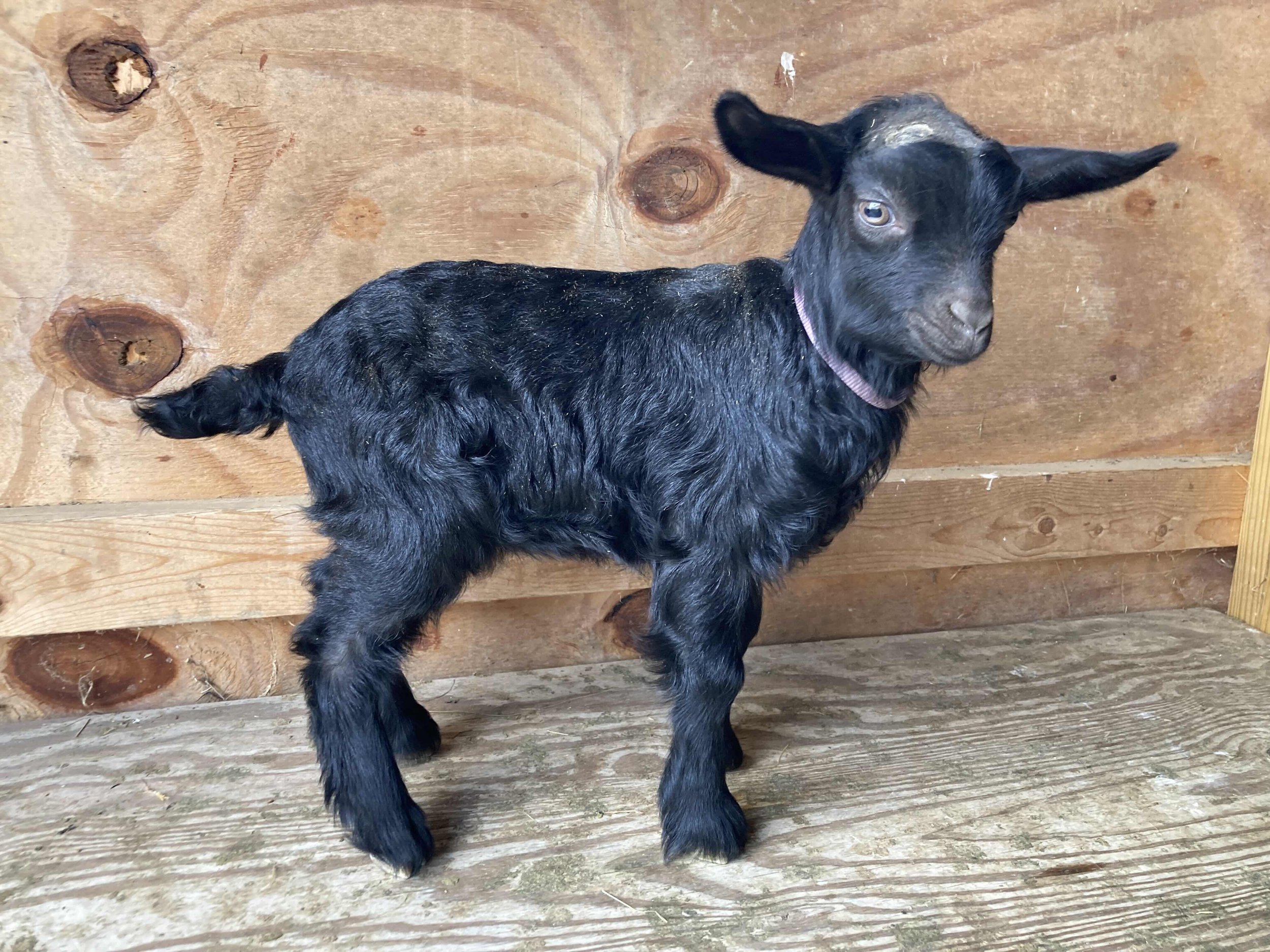
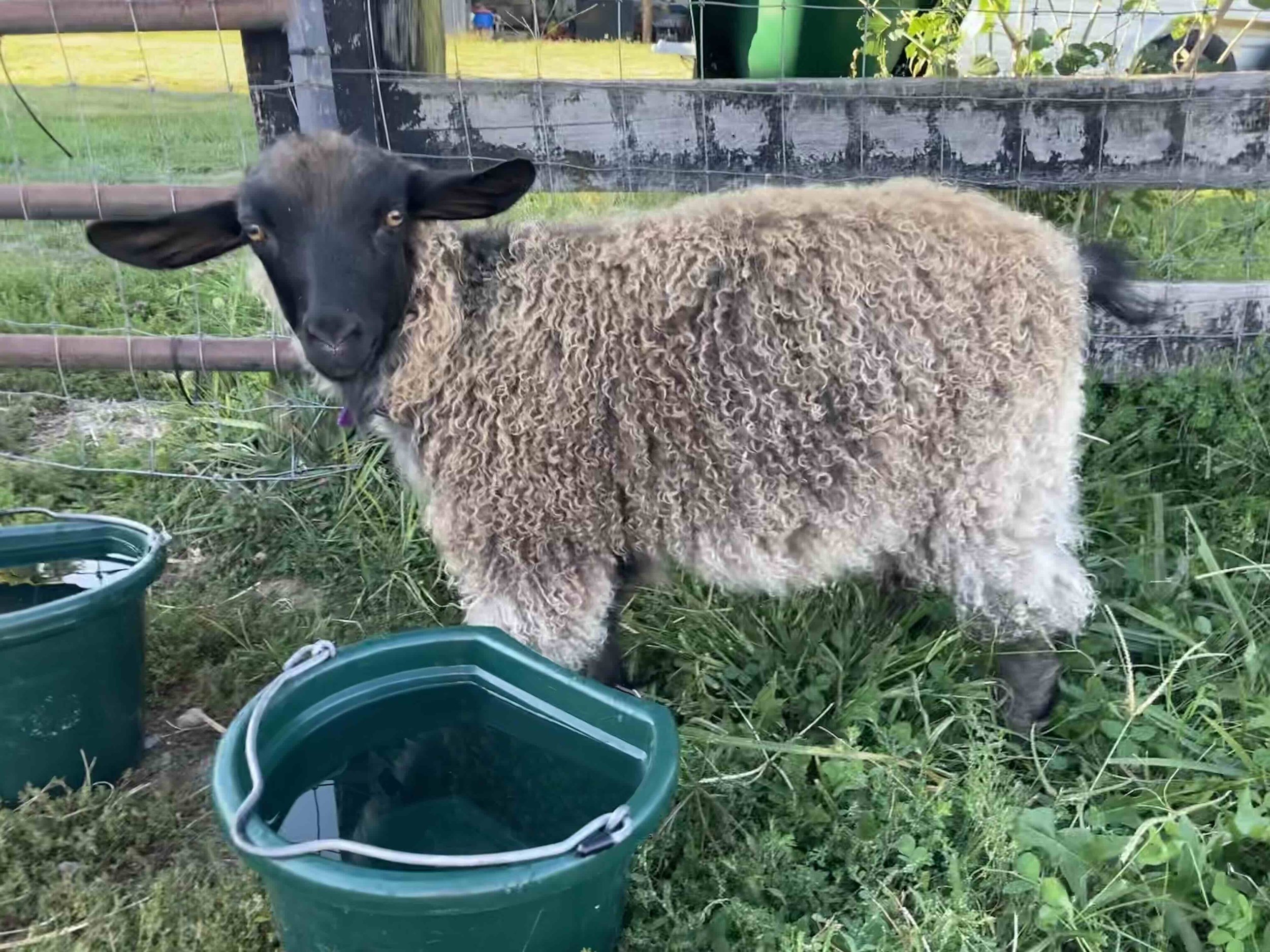
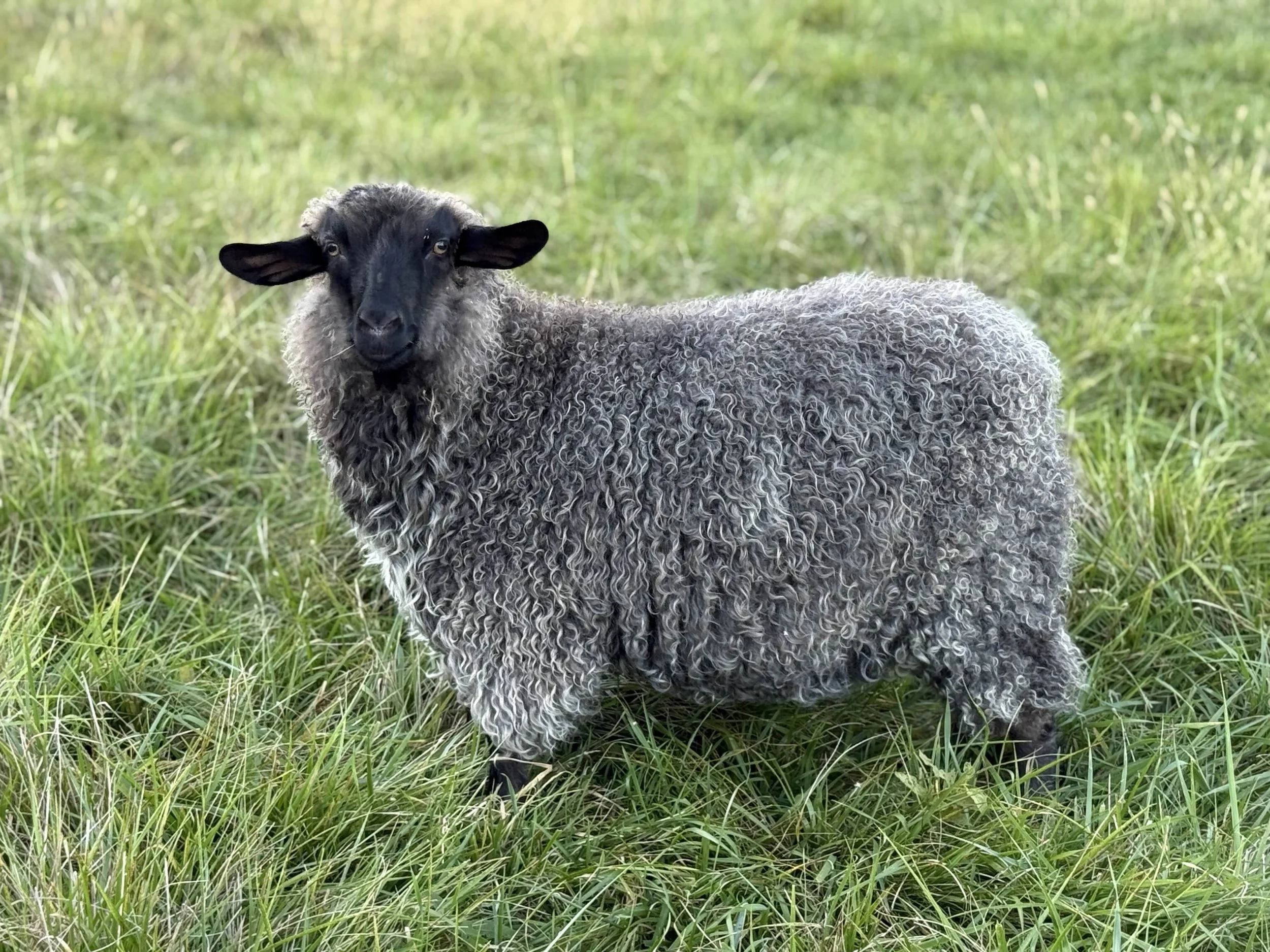
Photos below show Caney Fork Pygoras Stacy at a few days old, Stacy with her first fleece at around 5 months, and Stacy in full fleece at 18 months.